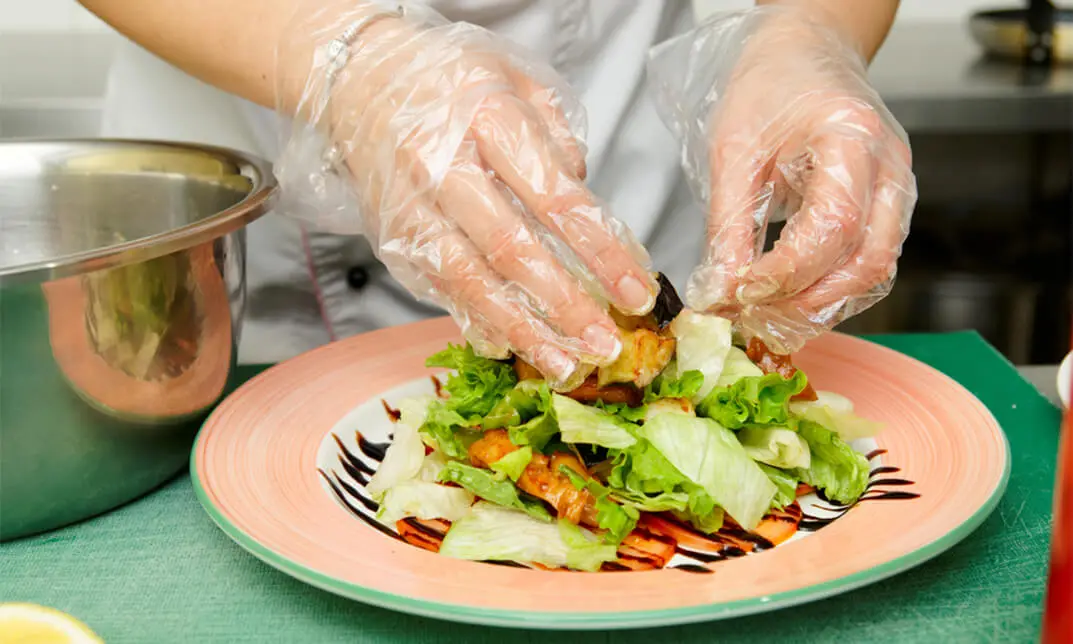
Why Food Hygiene Matters More Than You Think — And What We Do About It
Street food in India has a reputation. Here's why hygiene doesn't have to be a gamble — and how Snappza approaches it differently.
Street Food in India Has a Trust Problem
India has some of the most exciting street food in the world. The flavours, the variety, the sheer energy of a busy street corner at lunchtime — there's nothing quite like it.
But there's always that moment of hesitation. Is the water clean? How long has this been sitting out? Where did they wash their hands?
It's not an unfair question. Foodborne illness is genuinely common in India — not because street food vendors are careless, but because the infrastructure around food safety (clean water, cold storage, regulated prep spaces) isn't always accessible to small operators.
We started Snappza with that problem in mind.
What FSSAI Actually Means
Every food business in India is required to register with the Food Safety and Standards Authority of India (FSSAI). The license covers how food is stored, prepared, and handled — and it's not just a sticker on the wall.
Snappza is FSSAI certified. That means our kitchen (the truck itself) meets the standards for a commercial food prep space: surfaces, storage temperatures, ingredient sourcing, and handling practices are all covered.
It doesn't make us perfect. But it means there's an actual standard we're held to — and that you can look up.
What Happens Inside the Truck
A few things we're deliberate about:
Ingredients are sourced fresh. We don't stockpile. Bread, proteins, vegetables — bought regularly, not in bulk batches that sit for days.
Everything is cooked to order. Nothing is pre-cooked and reheated. When you place an order, that's when your food starts being made.
The prep surface is the truck. Not a shared kitchen, not a cloud kitchen with twenty brands running out of the same space. One truck, one menu, one team.
Cold items stay cold. We use insulated storage for anything that needs it. India's heat is not forgiving — we don't pretend it is.
Why This Is Harder Than It Sounds
Running a clean food operation out of a truck in Indian weather is genuinely difficult. Power cuts affect refrigeration. Monsoon humidity gets into everything. Summer heat means bacteria multiply faster.
We're not going to pretend we've solved every problem. But being aware of the challenges is the first step to managing them — and we'd rather be honest about that than put up a polished front.
The Bigger Picture
Food hygiene in India is getting better. More vendors are getting FSSAI registered. Customers are asking more questions. Apps and aggregators have pushed some accountability into the system.
But the real shift happens when operators take it seriously — not because an inspector might show up, but because it's the right way to run a food business.
That's the standard we're trying to hold ourselves to.
Come see for yourself — walk up to the truck, or order online and watch it arrive.